Intelligent 3D Models Fueling the Energy Sector
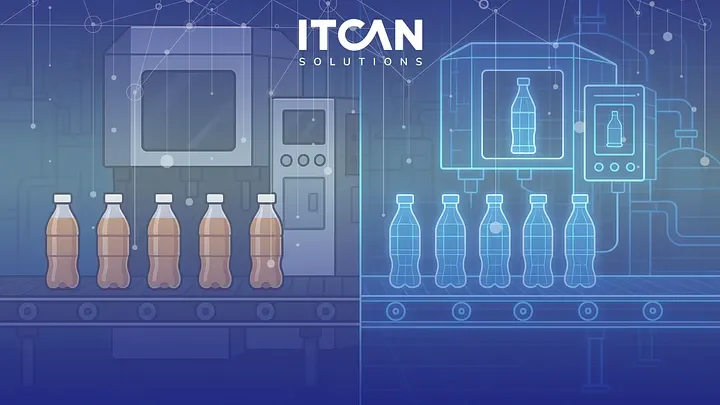
What if you could instantly locate and access every detail about your assets, from 3D models to technical drawings, all in one place? Imagine having a tool that works like a personalized search engine for your engineering needs. Whether it’s a pump, a valve, or any other asset, you can easily retrieve its entire digital profile — 3D models, documents, tags, laser scans, and beyond. Just as search engines have redefined how we interact with information in our everyday lives, Digital Twin technology is set to change how engineers visualize and contextualize data.
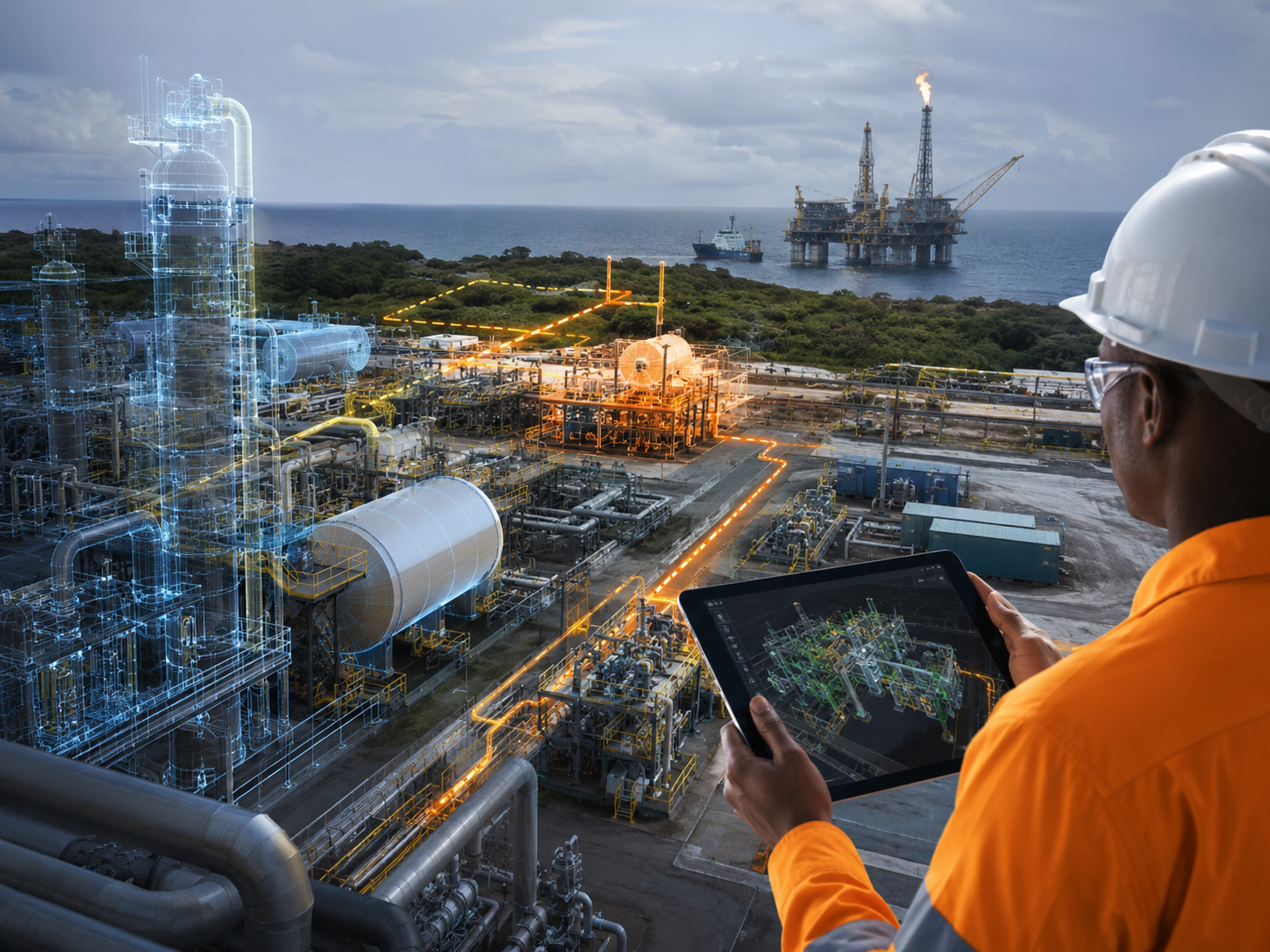
3D models within Digital Twin technology offer a groundbreaking solution by providing a detailed view of infrastructure and equipment. This technology is especially vital in high-asset industries like the energy sector, where the stakes are high and the margin for error is slim.
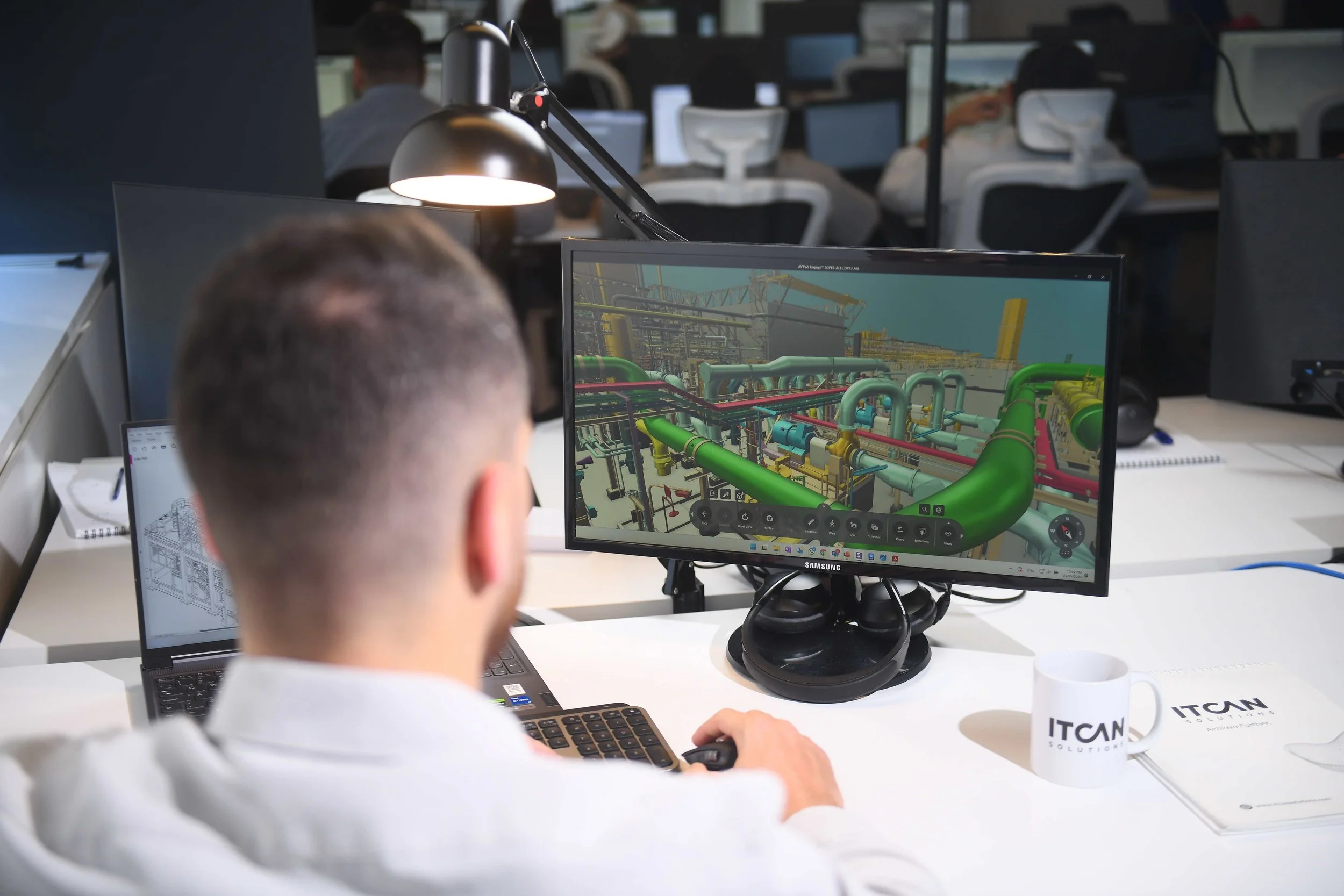
These Intelligent 3D Models aren’t just about pretty visuals; they’re about revolutionizing how we see and interact with our assets. For example, managing vast networks of pipes, refineries, and offshore plants requires a deep understanding of spatial relationships and potential risk factors. Traditional 2D maps and isolated data points often fall short of capturing the full scope of these assets. 3D models, however, offer a comprehensive, interactive representation, allowing engineers to simulate scenarios, test outcomes, detect potential issues before they arise, and optimize maintenance and operations with remarkable accuracy.
The Energy Sector’s Biggest Challenges
But why does the energy sector need such a technology?
The average age of a plant in the oil and gas industry can vary widely depending on factors such as location, technology, and industry practices. However, many facilities in this sector are quite old, given their long lifespan and the significant capital investment involved in construction and maintenance. In a typical oil and gas plant, the number of contractors can range from dozens to hundreds.
What does this mean?
It means dealing with inconsistent standards and templates, scattered data across different systems and files, discrepancies between the as-built state and documentation, outdated information, and challenges for engineers extracting, retrieving, and validating data.
Moreover, the oil and gas industry is one of the highest-risk sectors due to its involvement with hazardous materials like flammable and toxic substances, high-pressure operations, and extreme working conditions. In addition to the complexity of the machinery used, security threats and potential environmental impacts from spills and leaks. This makes it essential for the industry to prioritize safety measures and reduce site visits as much as possible.
Why Intelligent 3D Models Are Game-Changers
Studies have shown that by identifying potential hazards early and reducing rework and site visits, 3D models can cut project costs by 15–20% and enable companies to gain a deeper understanding of an asset’s current state, lifespan, and performance.
By visualizing assets, companies can accelerate projects even during construction phases by simulating different scenarios to identify potential problems like equipment clashes or routing errors before construction even starts. Additionally, it ensures accurate Bills of Quantities (BOQ) and provides precise cost estimation.
Intelligent 3D models enable virtual inspections, measurements, clash detection, and walkthroughs, enhancing safety by reducing the need for site visits, identifying hazardous zones, mapping fire zones, and providing real-time, up-to-date information in a single, integrated environment.
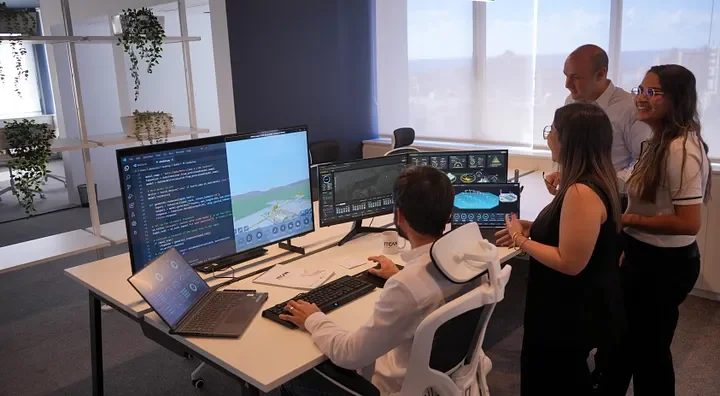
These Models also revolutionize how teams collaborate. Instead of relying on outdated 2D maps, teams can navigate spatial structures with depth perspective. Whether working remotely or on-site, everyone stays on the same page, improving overall efficiency, productivity, and safety.
Conclusion:
Integrating Intelligent 3D Models, the core of Digital Twin is more than just an advancement; it’s a necessity. These models transform how we see, manage, and optimize plants by offering a comprehensive, interactive view of assets. They tackle challenges, providing a unified, real-time perspective that enhances safety, reduces costs, and boosts operational efficiency.
Imagine every asset’s digital profile is instantly accessible, every potential issue is identified before it becomes a problem, and every decision is backed by precise, up-to-date information. This transformation begins with embracing Intelligent 3D Models.
Ready to revolutionize your asset management? Discover how Digital Twin can elevate your operations and lead your team to new heights of efficiency and safety. Explore our solutions today and step into the future of engineering!
Related Blogs